Cloudy or hazy water
Extra food breaks down into organics the tank has to process.
- Check ammonia and nitrite first
- Remove visible debris
- Reduce feeding while the filter catches up
 The Hidden ReefAquariums · Fish · Coral · Ponds
Most aquarium feeding problems start with good intentions: too much food, one food used for every fish, or treats that become the whole diet. This guide keeps feeding simple, cleaner, and easier to match to the animals in the tank.
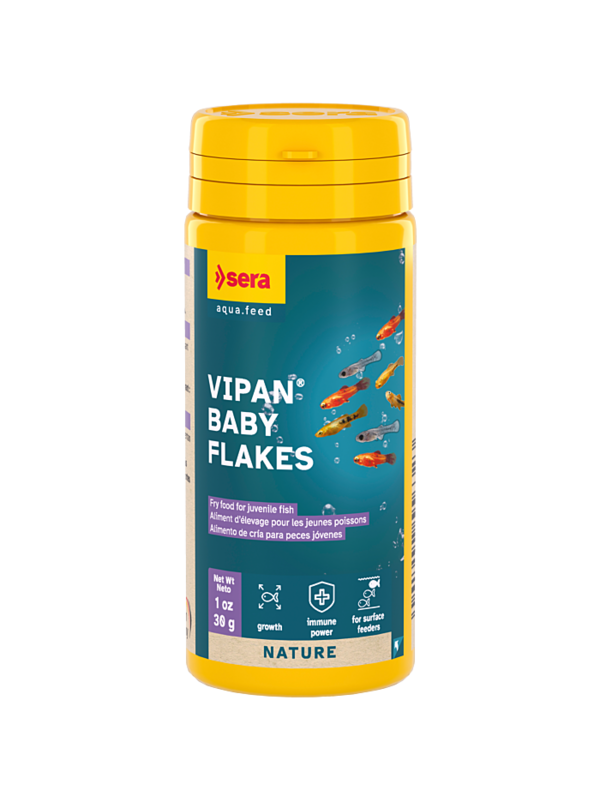
Food that reaches the bottom and stays there is no longer nutrition. It becomes waste that can feed cloudy water, algae, ammonia, and filter buildup.
Start with less than feels right. Feed a small pinch, watch the fish eat, then add a second tiny amount only if they are still actively eating. For most community tanks, the meal should be gone in about a minute or two.
If two or more of these are happening, reduce food before adding more bottles or changing equipment.
Extra food breaks down into organics the tank has to process.
Food adds nutrients. If export is weak, algae uses the leftovers.
Constant heavy feeding can make fish selective and can stress digestion.
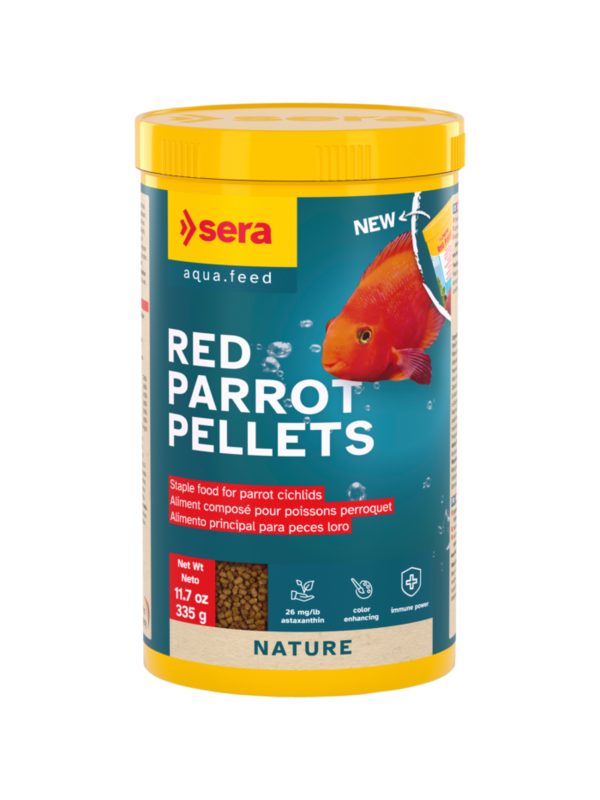
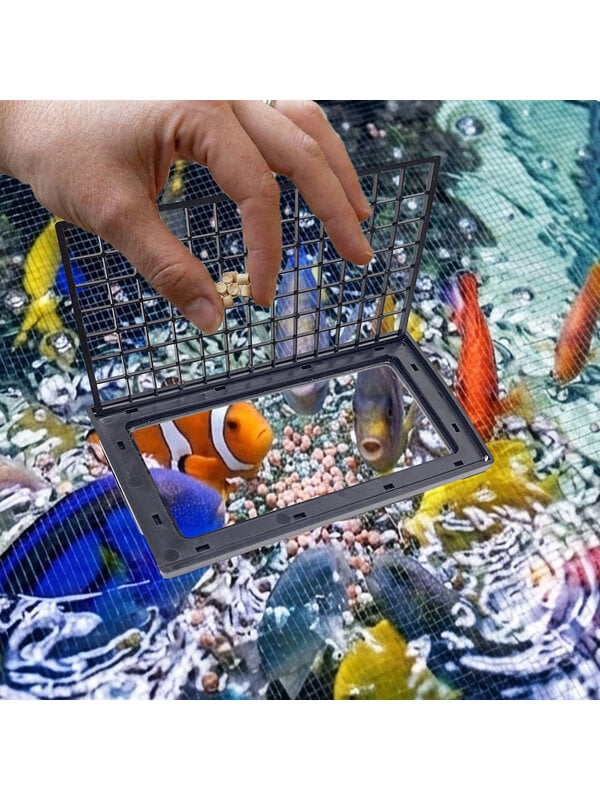
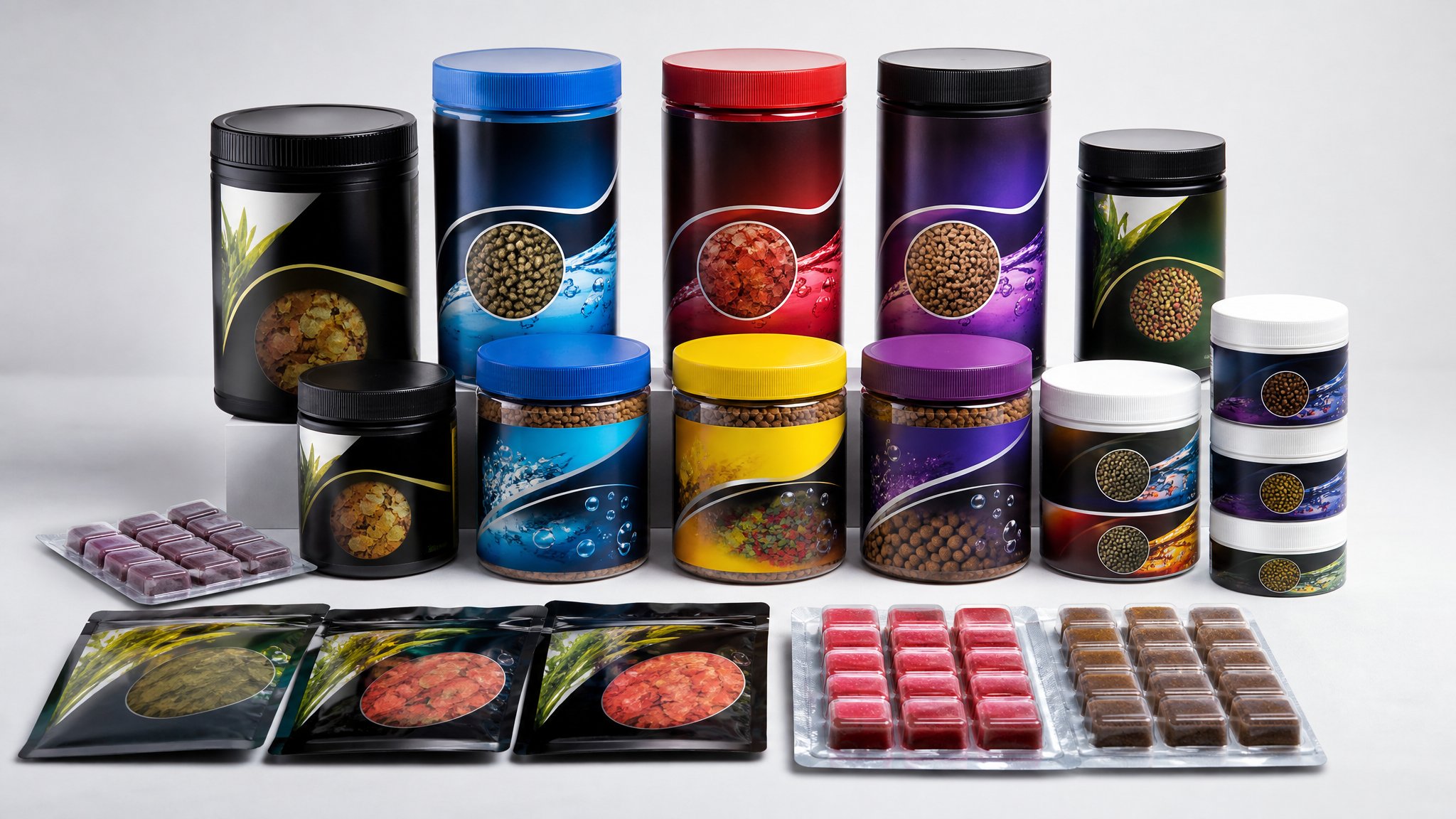
Rotation does not mean five foods every day. It means the main diet fits the fish, then a few appropriate foods fill in texture, nutrition, and natural feeding behavior.
The best food is not just a brand. It is the right size, texture, sinking behavior, and protein or plant balance for the livestock.
Best when fish can eat pieces whole without spitting clouds of crumbs into the water.
Bottom feeders need food that reaches them, but leftovers under decor still become waste.
Marine fish, coral, and inverts can have different needs, so variety matters more than volume.
When you ask for food help, bring the tank size, fish list, current food, feeding schedule, and any water test results. Staff can narrow the choice much faster when they know whether you are feeding tetras, cichlids, goldfish, koi, reef fish, shrimp, or coral.